Books inspire me deeply. I think there is so much to be gained from a good book, and I wanted to make a place to share what I have read/am reading.
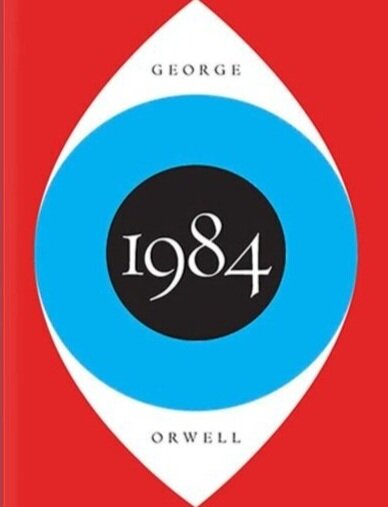
1984 - George Orwell
A dystopian classic. If you haven’t read this yet, you should. The parallels to modern-day technology and surveillance are uncanny. As long as governments exist, this book will be relevant. Highly recommend.

1Q84 - Haruki Murakami
A sci-fi fantasy that is an outstanding example of worldbuilding. A longer read, but thoroughly enjoyable and very digestible.
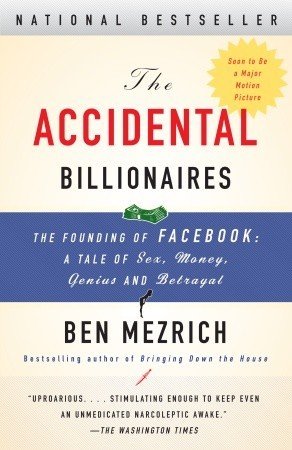
The Accidental Billionaires - Ben Mezrich
A portrayal of Zuckerberg that seems more accurate than the film “The Social Network”. The book does feel slanted towards the Winklevoss Twins, but it is nonetheless a gripping story.

The Alchemist - Paulo Coelho
A super easy read, but very enjoyable. The story and pacing keep you engaged. A great novel to get into reading if you don’t know where to start.

Alice’s Adventures in Wonderland & Through the Looking-Glass - Lewis Carroll
This classic told from the perspective of a child in a daydream is both nostalgic mystical.
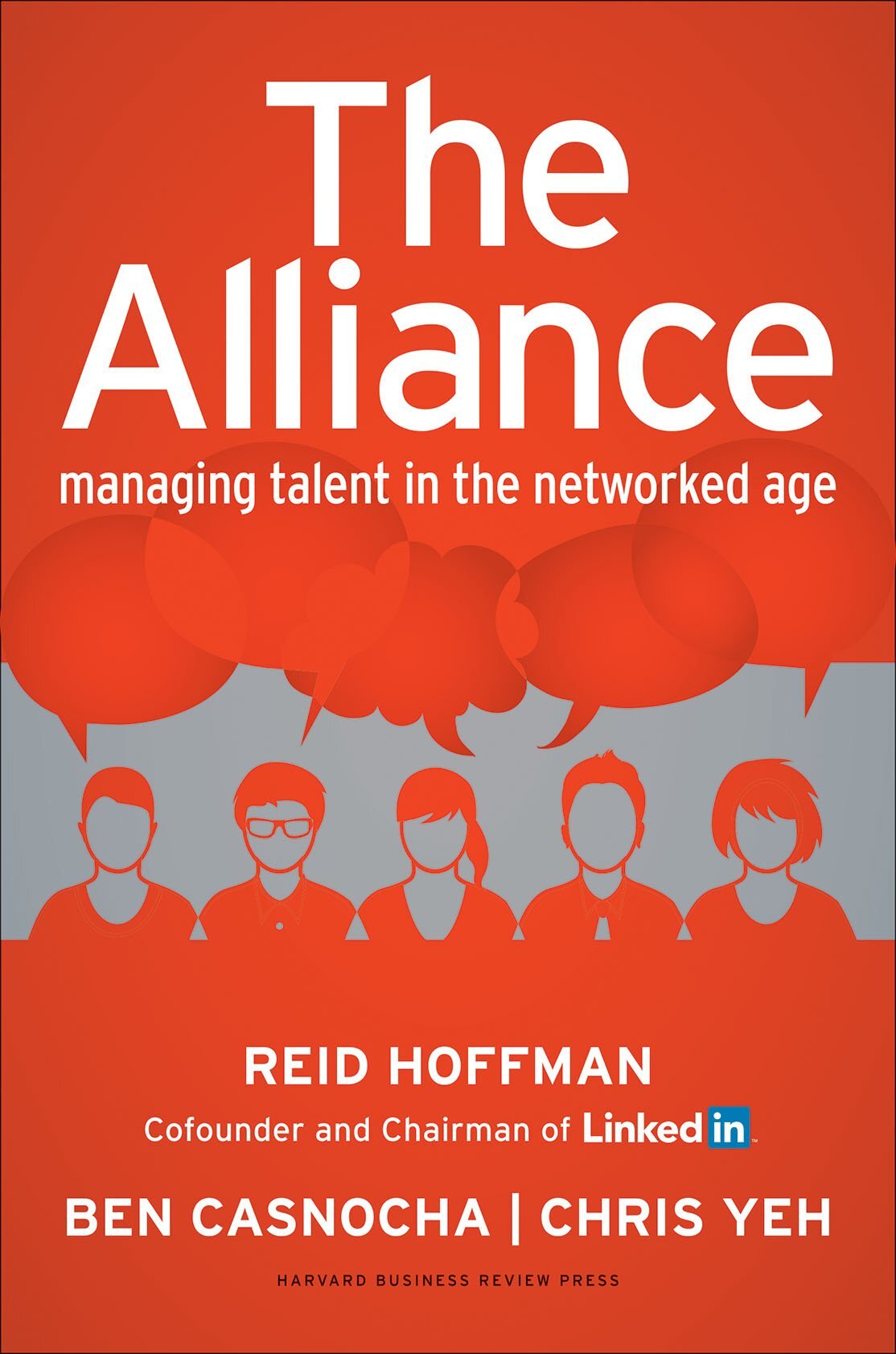
The Alliance - Reid Hoffman
This is how the employee/employer relationship should exist. A great framework for anyone looking for a new job, or anyone looking for new hires.

American Psycho - Bret Easton Ellis
A quite disturbing book. Reading the inner monologue of Patrick Bateman was very intense, to the point where I am not sure if I can recommend this book. A much more overwhelming experience than the film.

Animal Farm - George Orwell
Required reading. It is short, impactful, and influential enough that no one has any excuse to not read this book. And read 1984 while you’re at it.

Anna Karenina - Leo Tolstoy
Absolutely deserves the praise and popularity. To date the most realistic characters I have ever experienced, figuring out life in what feels like real time. If you are interested in the classics, this is a must read. Clearly one of the greatest novels of all time.

The Art of War - Sun Tzu
This book is about war tactics. Don’t get too excited, it will go into crossing bridges and feeding your troops. Could this be applied to modern day business. Yes. Did I derive a wealth of knowledge from it. No. Read it if you want, it’s really short.
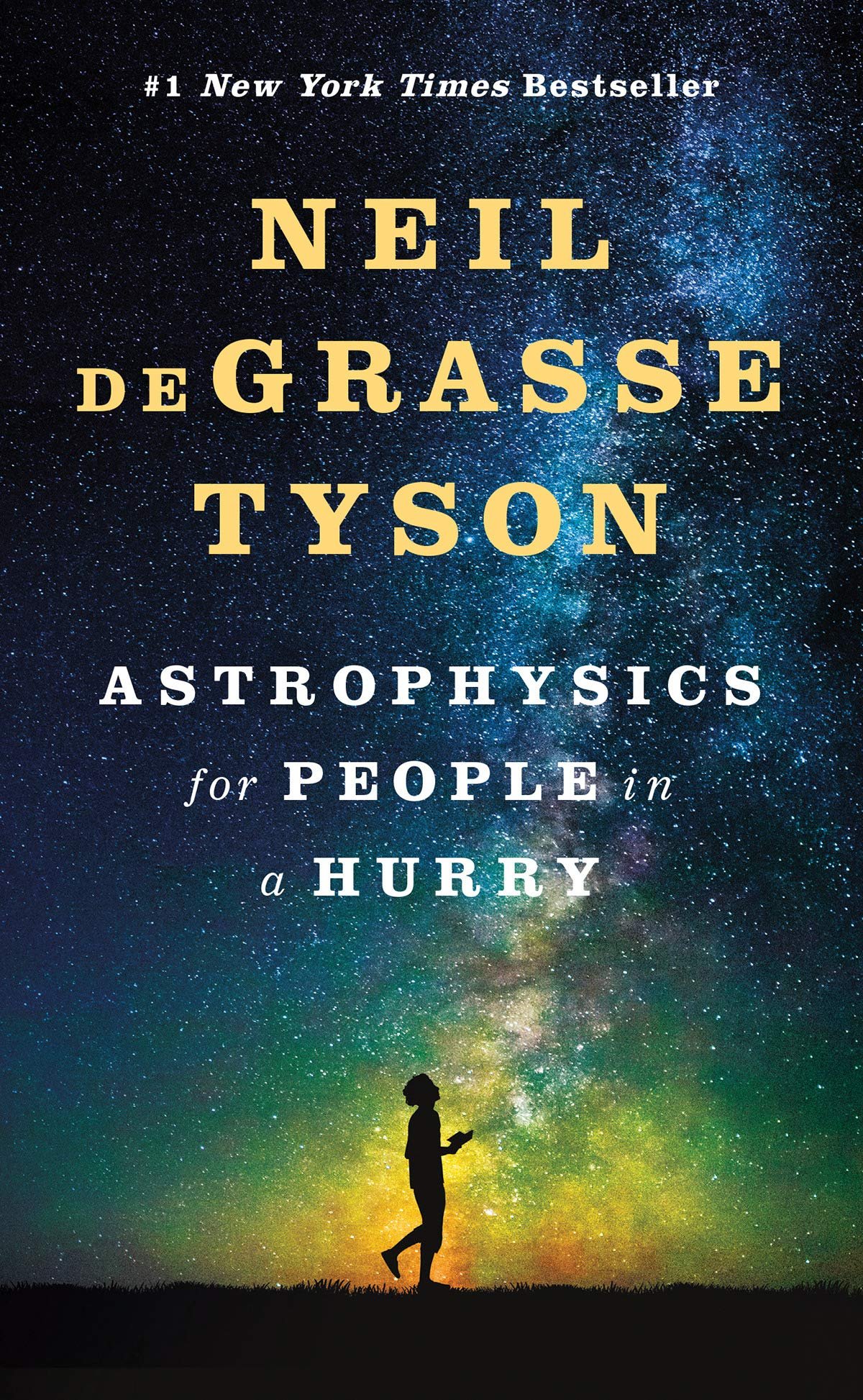
Astrophysics for People in a Hurry - Neil DeGrasse Tyson
A quick and fascinating read. This book does not delve deep into cosmological concepts, but it offers a fantastic perspective of our place in the universe.

A Beautiful Mind - Sylvia Nasar
Nash made strides in economics with the Nash equilibrium, and reinvented game theory as we know it. That being said, this book reads like a wikipedia article that is 400 pgs long. It is nothing like the movie, and I don’t think I can recommend this book.

Beyond Good and Evil - Friedrich Nietzsche
This is a tough read, taking on the idea that traditional morality of good and evil are at their root derived from the same impulses. I honestly need to re-read this, but my first time through was rough at best. Give it a crack if you dare.
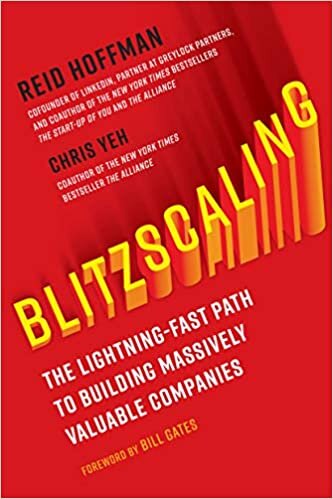
Blitzscaling - Reid Hoffman
Stories of growth are always fascinating. Understanding that mistakes might occur along the path of growth is very valuable.
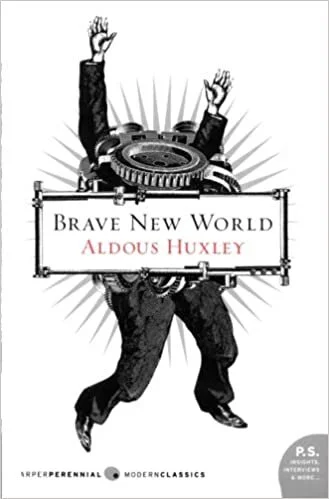
Brave New World - Aldous Huxley
Read this. One of my favorite books, that really influenced me. I think a lot of my photography is trying to emulate the world that Huxley created.

A Brief History of Time - Stephen Hawking
A good introduction to where physics stands for the time being. Not easy to cruise through, but a few chapters really leave you thinking about the mechanics of our universe.

The Brothers Karamazov - Fyodor Dostoyevsky
The building of the plot was absolutely phenomenal. Like any book by Dostoyevsky, it takes a while to get into. I think that it is well worth the effort to finish this novel, the payoff is excellent.

Buy Back Your Time - Dan Martell
Decent ideas around delegation. A main focus on spending time on what energizes you, and then delegating all tasks that you don’t enjoy to others who are better suited for them. Probably less applicable to low income, but very applicable to medium to high income.

Choke - Chuck Palahniuk
By the author of Fight Club, this is a story told in the same narrative style. A fairly dark and deranged book. I really liked it, but I could see it being a bit much for some.

Competition Demystified - Bruce Greenwald
A no-nonse book that peers into the strategy of entering a market. Very insightful. Key if you are planning on starting or growing a business.

Crime and Punishment - Fyodor Dostoevsky
Read this. It is tough, and long. It really feels long while you are reading it. However, I think about this book very frequently. So frequently in fact that my friends are probably sick of me bringing it up. It is worth the commitment.

Creativity, Inc. - Ed Catmull
An amazing story of how animation got to where it is today. Hearing Ed’s passion for making an animated feature film joined by Steve Jobs really makes this book engaging and inspiring.

Crossing The Chasm - Geoffrey Moore
On a second read, I had legitimate takeaways, but was also left feeling that the concepts were overly drawn out. The ideas of misidentifying what market demographic that you have captured are important, but I think this book is hyperspecific on tech startups - to its detriment. A wider breadth of examples would have been useful.
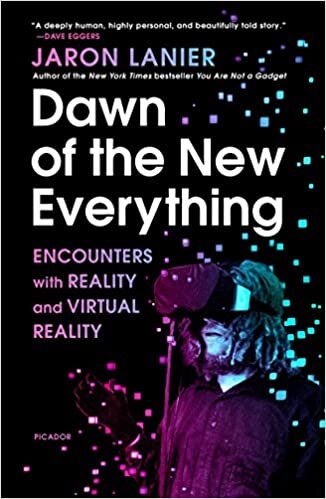
Dawn of the New Everything - Jaron Lanier
The author invented the basis of what we now know as VR today. This book is more about his journey than about VR’s evolution, and I would have wanted it to be more tech focused.
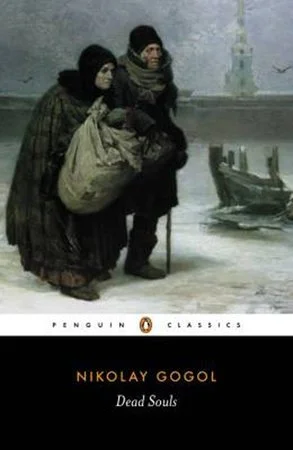
Dead Souls - Nikolay Gogol
I picked this up after many references in “The Idiot”, and I had a great time with this book. Very funny, even for someone living outside of Russia. It does paint a great picture of what the breadth of life in Russia, with some depth into the ideas of success and personal reform. There is a little Chichikov in all of us.

Discourses and Selected Writings - Epictetus
The only thing that you control is your own will. This book delves into what really matters, and what does not. A very useful piece of philosophy that I would recommend.
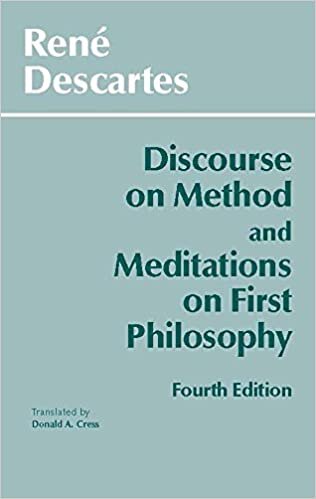
Discourse on Method and Meditations on First Philosophy - Rene Descartes
If you are interested in philosophy, this is a great place to start. Very systematic in proving the existence of self, and the separation of mind and body. I highly recommend it.
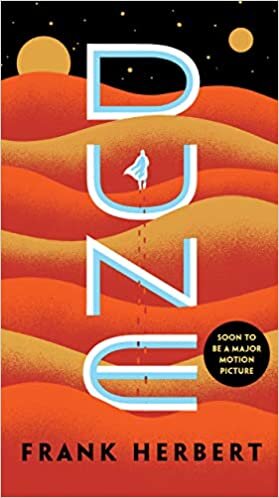
Dune - Frank Herbert
Amazing read. If you are at all interested in sci-fi, read this. The space politics, tied in with a little fantasy, and perfect world building makes for an amazing novel. I really need to read the whole saga.

The Elements of Typographic Style - Robert Bringhurst
A great resource for understanding typography. Very dense and technical, and I would use it as a reference whenever you have a typographical question, but reading through at times feels similar to reading a dictionary. There is a lot of history and elements that aren’t relevant to the art of type, but I think to some it could be a useful way to learn.

Ender’s Game - Orson Scott Card
Overall I was left unimpressed with this book. The writing style was very simplistic, and the protagonist was unimaginably bland. I think the themes covered could have been interesting, but with one dimensional characters the story fell short.

The Essential Epicurus - Epicurus
The first two sections, “Principle Doctrines” and “Vatican Sayings”, are crammed with very concise and impactful perspectives. A great basis to explore how pleasurable life can be. I highly recommend to anyone interested in a digestible intro to philosophy. Worth many re-reads.

The Everything Store - Brad Stone
A well done biography on Jeff Bezos. It was really interesting and enlightening to see where Amazon came from, and how that has influenced the company today.

The Great Gatsby - F. Scott Fitzgerald
A classic, that the recent film portrayed very closely. Not my favorite book, but if you really enjoyed the film, you would probably like it.

Grid Systems - Josef Muller-Brokmann
A well laid out showcase of the application of grid systems. There is a wealth of concepts that can be utilized for design improvement, along with connections to mathematics and art. A fairly short read, that I would recommend to anyone interested in design and layout.
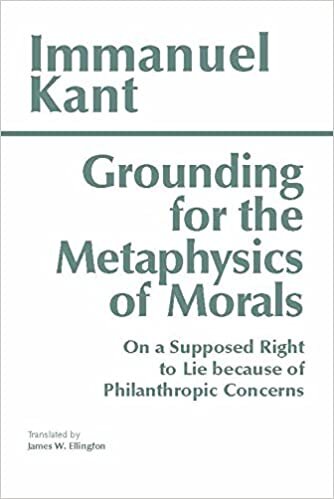
Grounding for the Metaphysics of Morals - Immanuel Kant
A very interesting way to try to digest morality. The methods Kant goes through as a litmus test to determine morality are applicable and relevant.

The Handmaid’s Tale - Margaret Atwood
I was immediately impressed by Atwood’s prose. Every description was intentional, building depth both within the plot and also thematically. Not a difficult read by any means, but very enjoyable.

How to Win Friends & Influence People - Dale Carnegie
This book isn’t great. Really common sense stuff. Save yourself the time and just read a summary.
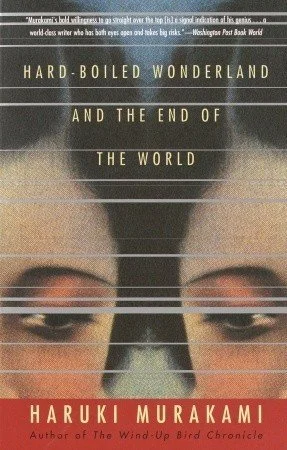
Hard-Boiled Wonderland and The End of The World - Haruki Murakami
Ahh, another enthralling book by Murakami. Like many of his works, there are two story lines that occur simultaneously. Thematically focused on self discovery and sacrifice. A dreamlike fantastical creation that forces you to go along with any scenario that Murakami can invent. Probably not the first book by him that I would recommend, but for someone who has read Kafka, Wind-Up Bird, and 1Q84 - this is a great follow up.
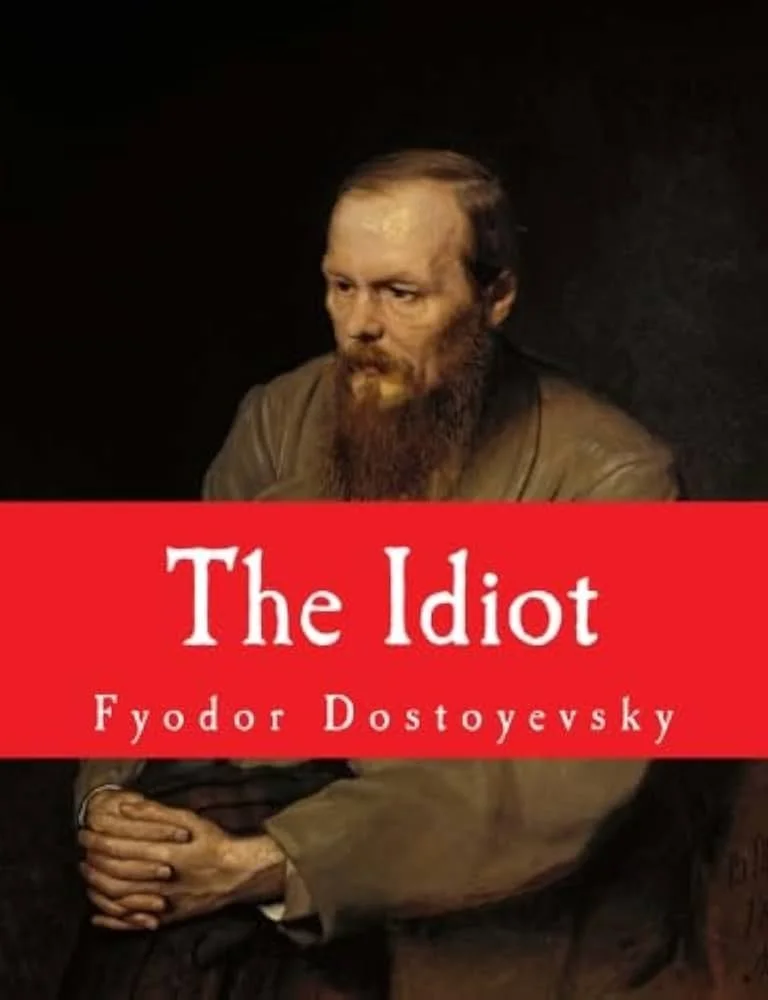
The Idiot - Fyodor Dostoyevsky
My key takeaway was that there is a strong need for balancing a “pure” morality and a societal morality. The book itself is beautifully written, and as with any work by Dostoyevsky, the character depth is unparalleled. I highly recommend giving The Idiot a read if you are interested in exploring the different shades of morality lead by a Christ-like protagonist navigating the upper crust of Russian society.

The Intelligent Investor - Benjamin Graham
A dense read, but extremely sound advice. In short, 90% of your portfolio should be in the S&P 500, and 10% you can play with. If you want to learn more, then give this book a read.

Jazz - Toni Morrison
Phenomenal storytelling and prose. Stylistically beautiful. Morrison reveals the plot on page 1, and spends the rest of the book feeding you details of each character’s motivations. The author allows you to participate, which is a fantastic way to unravel a story.

Jesus’ Son - Denis Johnson
A collection of short stories that explore addiction, chaos, control, and desire. A very ‘human’ feeling text. The absurdity grounded in possibility is very engaging. A very interesting way to unfold the main character to the reader.

Kafka on the Shore - Haruki Murakami
This was my first Murakami, and these books read like dreams. If I were to describe the contents of this book, it sounds like I am describing a noncoherent dream. Somehow Murakami pulls it off with this dreamstate worldbuilding. The book is weird, but I really enjoyed it. Stress on the weirdness though.
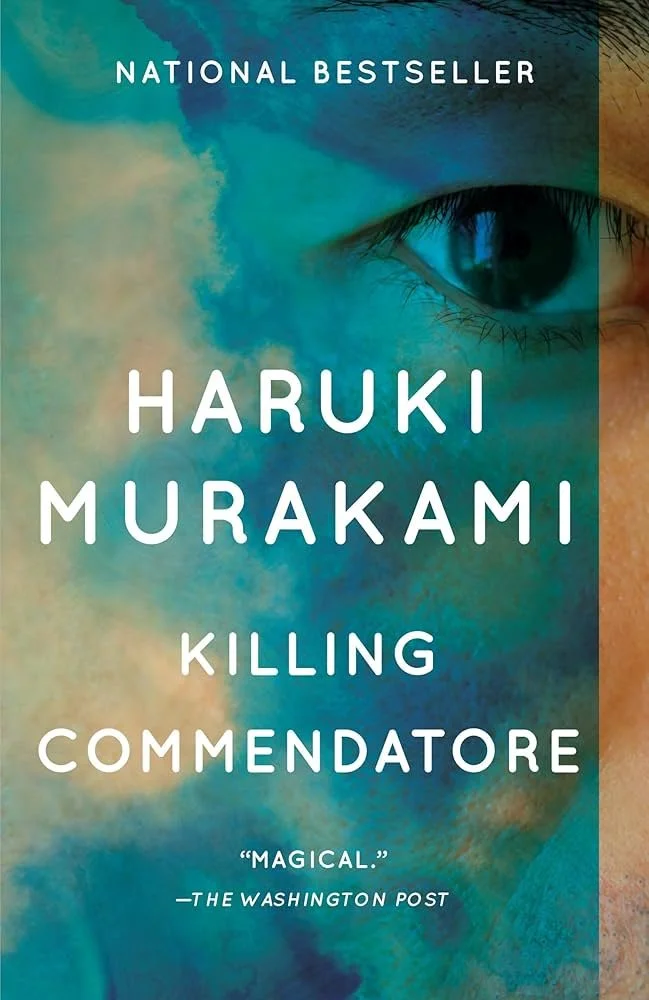
Killing Commendatore - Haruki Murakami
This Murakami was the first one that I read with a single vantage point. Themes of letting go were very present, where the main character really would submit to whatever was thrown at him. I think the substance of this book was the character growth and perspectives, not necessarily the actions of the characters. Overall very solid, but I would still rank it below 1Q84 and Wind Up Bird.

Like a Thief in Broad Daylight - Slavoj Zizek
If you are familiar with Zizek, this book reads exactly like he talks. I like Zizek, but this book barely touched upon post-human capitalism. I was picturing a philosophical journey about work after automation has more or less replaced human capital. It was not that. Basically a prolonged rant that deviated all over the place. I like Zizek, but this is probably the last book that I will read of his.

Lolita - Vladimir Nabokov
Nabokov’s writing style and language is beautiful, even translated. The plot is jarring, but loures you in slowly.
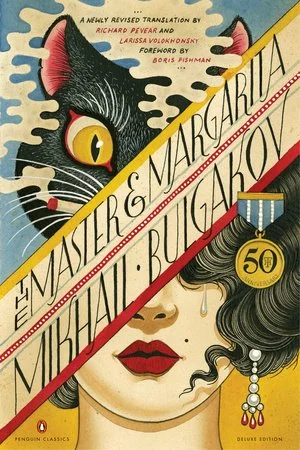
The Master & Margarita - Mikhail Bulgakov
In Queue

The Metamorphosis - Franz Kafka
A quick read about a man turning into a cockroach. A great look at what it means to be viewed as vermin.

Never Let Me Go - Kazuo Ishiguro
An amazing dystopian, told from the perspective of a child who is unaware of the world she exists in. I highly recommend this book.

Norwegian Wood - Haruki Murakami
This was the book that really put Murakami on the map. Not my favorite of his work, but it was interesting to see where his writing style evolved from. I would recommend after reading his more popular books.

The Old Man and the Sea - Ernest Hemingway
A quick and enjoyable read. Hemingway’s ability to display novel relationships is a testimate to his writing abilities.

Pride and Prejudice - Jane Austen
To start, I didn’t enjoy Austen’s writing style. I can appreciate that it was very innovative at the time, but to my own tastes it was difficult to follow during rapid dialogue. The story itself however was a great highlight of a time when the weight of marriage was paramount to the success of entire households. The tension, comedy, and rebellion of the vastly wide cast of characters was extremely enjoyable to read, but again, they writing style itself I found to be a bit jarring. If you are interested, I would recommend reading the first chapter before committing to the book.
The Prince - Niccolo Machiavelli
Machiavelli is brutal in his approach, but I think that there is a decent amount of applicable advice in this book. For business or politics, I would say that it is worth the read.

The Republic - Plato
This is THE book to read if you are interested in philosophy. What is justice? What is the ideal society? What is reality? What would you do with unlimited power? Every large question is broken down into very digestible dialog. Read this now.

The Sailor Who Fell From Grace With the Sea - Yukio Mishima
This book is interesting, but a slow burn. The ending is wild, and might make the whole book worth it. Not high on my list, but reading about ideals meeting reality was a good experience.

Sapiens - Yuval Noah Harari
The first 1/4 of this book is amazing. Going into the early origins of humanity is fascinating and humbeling. The rest was basically an opinionated history lesson. Touching upon religion and how we evolved with it was interesting, and I think this book is worth the read.

Simulacra and Simulation - Jean Baudrillard
A simulacra is a copy without an original. This book really changed how I view the world. Not an easy book to breeze through, but I think it’s content is worth working for.

Slaughterhouse Five - Kurt Vonnegut
An anti war book peppered with comedy. I didn’t really love it, and I think that might just be attributed to Vonnegut’s writing style. So it goes.

Steve Jobs - Walter Isaacson
This is a great biography. Super inspirational, and really insightful into one of the most interesting and innovative minds of our generation.

The Stranger - Albert Camus
A wild ride that is extremely grounding. No matter what happens in life, a lot remains the same. A simple book that everyone should read.
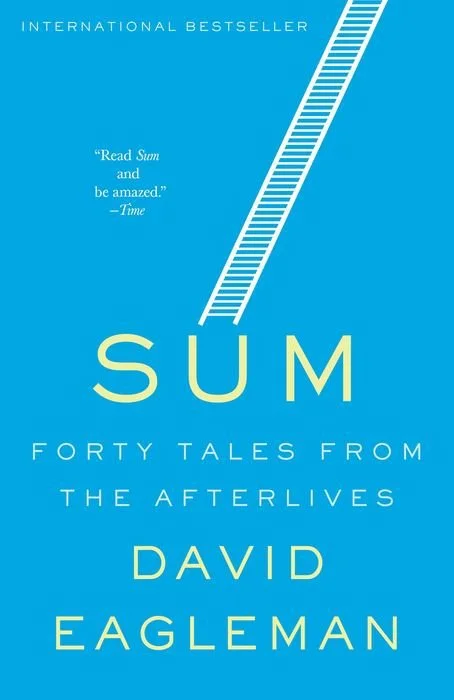
Sum - David Eagleman
A very fun book about versions of the afterlife. There are 40 very short renditions of what could be in the afterlife, and it gives you an interesting perspective on living. Similarly, it fleshes out dream scenarios to show that ideas might not be as splendid in reality. An extremely fast read. Nothing earth shattering, but fun if you need a break from more intense reading, or if you want a book to casually read a chapter here and there.

Superintelligence - Nick Bostrom
We will reach a point when artificial intelligence will surpass human intelligence. This is a terrifying non-fiction that dives down into the nitty gritty of how AI will reign supreme. If you don’t know a ton about AI and want to get familiar with where we stand, read this book.

Talking to Strangers - Malcolm Gladwell
A very relevant book in 2020. Addressing why we have such a tough time understanding others, and what systems are in place that are exploited by this fault. A very well laid out book.

Tools of Titans - Tim Ferriss
Reading this book really highlights the similarities of successful people. No exact routine works for everyone, but things like exercise, mindfulness, and diet work for everyone. A cool way to find out about extraordinary people.

The Uncensored Picture of Dorian Gray - Oscar Wilde
A fantastic read. Without spoiling the plot, it delves into the separation between inward and outward facing appearances. I highly recommend.

The Undercover Economist - Tim Harford
Ehhhh, this wasn’t really great for me. But I went to business school, and I think a lot of the topics covered in this book I already paid a fortune for in the classroom. If you did not go to business school, this could be a great introduction to economics and how it applies to everyday life.

Watchman - Alan Moore
I struggled with the comic book medium. There was a lot going on, and it seemed overly long. However; It was interesting to see just how influential this book was on modern media. I don’t like the superhero genre, but if you enjoy it, this is probably a good read.

We - Yevgeny Zamyatin
If you have read 1984, here is it’s predecessor. I really enjoy dystopias, and if you have already read 1984 and were thinking of re-reading it, just read We. I still think Brave New World, and 1984 are better books, but if you have read both and are looking for more, this is a great read.

Wicked - Gregory Maguire
The perspective of the Wicked Witch of the West from The Wizard of Oz. A very dark tale of the abuse and trials that the “witch” goes through. If you have seen the play, that is a much happier version of this. It is a really brutal tale, and very well done.

The Wind-Up Bird Chronicle - Haruki Murakami
The feelings of loss and isolation really drag you into the depths of Murakami’s universe. If you pay attention, you will be rewarded with beautiful details hidden within the book. I would read Kafka on the Shore and 1Q84 beforehand.
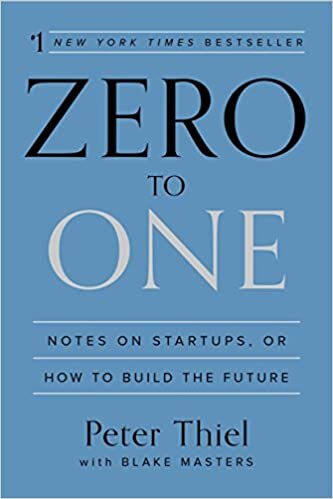
Zero to One - Peter Thiel
If you are interested in business, starting a business, working at a business, read this book. I think that the information Thiel presents here is essential, and everyone should take the time to go through it. Super easy read.